Bathtub Tray Buying Guide
Everything to know about fit, adjustment, bamboo, grips, holders, device support, cleaning, storage, safe use, and current availability.
Begin With the Tub, Not the Tray
A useful purchase starts with the bathtub. Measure the support span, inspect the rim shape, and note any wall, faucet, screen, or tile that limits where the caddy can rest.
This bathtub tray buying guide treats fit as the first decision because every holder and finish becomes irrelevant when the tray cannot sit level.
Look at the tub from above and from the foot end. Curved, narrow, sloped, or uneven rims need more attention than broad flat edges.
Measure the Outside Width Correctly
Measure from the outside edge of one supporting rim to the outside edge of the opposite supporting rim at the exact position where the tray will sit.
Repeat the measurement nearby because some tubs widen or narrow along their length. Record the original unit and compare product details using the same unit.
The National Institute of Standards and Technology provides official guidance about length units. This bathtub tray buying guide recommends writing the measurement down instead of relying on memory.

Check the Minimum and Maximum Range
An adjustable tray must cover the tub width while keeping enough overlap between its sliding sections. A listed maximum alone does not show how stable the tray feels at that extension.
Compare both the minimum and maximum range with your measurement. Check whether the ends remain broad enough to rest fully on the rims.
In this bathtub tray buying guide, a comfortable fit means the tray reaches both sides without stretching to its absolute limit or projecting awkwardly into the room.
Inspect the Rim Contact Area
A tray can reach across the tub and still have poor support. The end pieces need broad contact with the rim rather than balancing on a rounded ridge.
Check whether the rim is interrupted by handles, controls, sealant, a shower screen, or a wall return. Those details may force the tray into a different position.
This bathtub tray buying guide favors complete contact over decorative appearance because stable support protects both the tray and the items placed on it.
Choose Adjustable or Fixed Width
Adjustable designs suit more tub widths and are easier to move between bathrooms. Fixed designs can feel simple, but the dimensions must closely match the tub.
An adjustable tray should slide smoothly, remain level, and keep enough overlap when opened. A fixed tray should not barely reach the rims.
The better choice in a bathtub tray buying guide is the one that fits the real tub, not the one that sounds more premium.

Understand the Current Material Focus
BathtubTray.com currently focuses on bamboo caddies. The site describes natural bamboo, adjustable construction, practical holders, and a water resistant finish.
Bamboo brings a warm appearance that works with many bathroom colors. It still needs wiping and drying after normal splashes.
This bathtub tray buying guide does not claim that bamboo is universally better than every other material. Fit, construction, finish, care, and intended use all matter.
Water Resistant Is Not the Same as Waterproof
A water resistant finish helps the surface handle routine splashes. It does not make the tray suitable for soaking, standing water, or storage while damp.
Check whether the product page explains the finish and care routine. Dry the top, underside, grips, holders, and sliding sections after use.
A careful bathtub tray buying guide avoids treating wood as maintenance free because repeated moisture can affect appearance and movement over time.
Look for Non Slip Support
Non slip pads or protective grips help reduce movement and protect the tub surface. They work best on clean dry rims with full contact.
Check where the pads are placed and whether they remain under the support areas at the tray width you need. Loose liners and folded towels can shift when wet.
This bathtub tray buying guide recommends testing the empty tray before adding a book, drink, candle, or device.

Check the Book and Tablet Stand
A stand should support the size and weight of the book or device you actually use. Check the width, height, angle, ledge depth, and available clearance.
Some stands fold flat for storage, while others use a fixed position. Confirm that the support does not block the faucet or push the screen too close to splashes.
For readers, this bathtub tray buying guide values a stable viewing angle and easy page access more than decorative cutouts.
Evaluate the Phone Area
A phone slot can keep the device upright, but the opening must suit the phone and its normal case. A thick case may not fit a narrow groove.
Keep electronics unplugged and away from water. The United States Consumer Product Safety Commission advises caution with electrical products near bathtubs and notes that no safety device offers absolute protection.
This bathtub tray buying guide treats device storage as a convenience, not a guarantee against splash or electrical risk.
Check Drink Holders Carefully
A wine glass slot, cup recess, or flat drink area should match the vessel you plan to use. Stem thickness, base width, cup diameter, and handle clearance vary.
Use a stable vessel and avoid overfilling. Remove drinks before adjusting or lifting the tray.
A bathtub tray buying guide should never assume that one holder fits every glass, mug, tumbler, or bottle.

Review Candle and Accessory Spaces
A candle area should be flat, visible, and separated from towels, books, hair, packaging, and reaching hands. A flameless light is another option.
Removable accessory trays can help organize soap, skincare, or small items, but each piece should sit securely and be easy to clean.
This bathtub tray buying guide recommends choosing only the holders that match your real bath routine.
Decide How Much Open Surface You Need
Open space is useful for products that do not fit a dedicated holder. It also gives your hands room to move and makes the tray easier to wipe.
A tray with many cutouts may look organized but can restrict larger books, wide cups, or skincare containers.
In this bathtub tray buying guide, open surface area counts as a feature because flexibility often matters more than the number of compartments.
Check Balance and Load Guidance
Weight capacity varies with material, span, construction, joints, and how far the tray is extended. Follow the maker’s guidance when a limit is provided.
Place heavier items near the center and avoid loading one outer end. Never use a tray as a seat, step, handhold, or support when entering the tub.
A responsible bathtub tray buying guide does not invent a universal capacity for products with different designs.
Think About Storage Before Buying
Measure the place where the tray will be stored. An expandable caddy may be wide even when closed, and a fixed stand can add height.
Check whether the book stand folds, the accessory trays lift out, and the sliding sections can dry while open.
This bathtub tray buying guide includes storage because a tray left across the tub can block cleaning, shower use, or safe entry.

Review Cleaning Instructions
BathtubTray.com advises wiping the tray with a soft damp cloth, avoiding abrasive cleaners, and drying the surface when needed.
Check the underside and grips as well as the visible top. Soap, bath salts, skincare, and drink residue can collect around holders and sliding joints.
A bathtub tray buying guide should favor a design that you can clean without special tools or difficult disassembly.
Compare the Tray With Your Bath Routine
A reader may prioritize the book stand. A viewer may care about device angle. A skincare user may need open space and removable compartments.
Someone who takes short baths may prefer a simple caddy, while a shared setup may need clear reach zones on both sides.
The right result from a bathtub tray buying guide is a tray that supports habits you already have rather than features you may never use.
Check Fit for Freestanding and Alcove Tubs
BathtubTray.com states that adjustable trays may work with most standard, freestanding, built in, and alcove tubs when the width range and outside support fit.
That statement does not mean every design fits every tub. Narrow rims, unusual curves, wall placement, and screens can change the result.
This bathtub tray buying guide recommends measuring the exact position instead of choosing by tub category alone.

Check Product Photos and Dimensions Together
Photos help explain holder layout, but perspective can make the tray look wider, deeper, or larger than it is. Use the written dimensions as the main reference.
Look for images showing the tray closed, extended, viewed from above, and placed on a tub. Confirm which accessories are included.
A bathtub tray buying guide works best when images support measurements rather than replace them.
Read Package and Assembly Details
Check whether the tray arrives ready to use, whether accessory pieces are included, and whether the stand needs assembly.
BathtubTray.com currently describes its tray as ready to use and its FAQ lists one bathtub tray in the package. Product specific information should still be checked before ordering.
This bathtub tray buying guide recommends keeping the packaging until fit and condition have been inspected.
Understand the Shop Status
The separate BathtubTray.com shop page currently states that the store is in development and launching soon. Availability should be checked on the live page.
Do not rely on an old screenshot, cached product card, or article when deciding whether a design can be ordered now.
A current buying guide should separate product features from live stock status.
Use the Comparison Table
The table below compares common decision areas without ranking one feature as best for everyone.
Use it after measuring the tub and before choosing holders. The most important column is the one connected to your real bathroom and routine.
This bathtub tray buying guide uses practical checks rather than prices, popularity claims, or unsupported performance scores.
| Decision area | What to check | Strong sign | Risk sign |
|---|---|---|---|
| Tub fit | Outside width and rim shape | Full support on both sides | Choosing by tub name alone |
| Adjustment | Minimum and maximum range | Comfortable overlap at your width | Using the absolute limit |
| Material | Finish and care instructions | Water resistant surface with clear care | Assuming waterproof use |
| Stability | Grip location and rim contact | Empty tray stays level | Loose liners or narrow contact |
| Holders | Actual book, device, cup, and phone size | Features match your routine | Counting holders without checking dimensions |
| Storage | Closed width and stand height | Fits the planned storage area | Leaving the tray wet across the tub |
| Cleaning | Access to joints, grips, and holders | Simple wiping and full drying | Abrasive cleaners or soaking |

Questions to Ask Before Ordering
Confirm the adjustment range, support width, body depth, material, finish, grip placement, holder dimensions, included parts, storage size, cleaning method, and current availability.
Use the product question form when dimensions or holder details are unclear. Do not rely on placeholder contact details that may appear elsewhere on a page.
Review the bathtub tray fit and care answers for the site’s current general guidance.
Before completing the purchase each time, pause and picture the tray in daily use. Check where it will be stored, how often it will be dried, which holder will be used most, and whether the bathroom has enough clear rim space. This final review can reveal practical issues that product photos do not show, especially when the tub sits against a wall or includes controls near the preferred tray position.
What BathtubTray.com Currently Presents
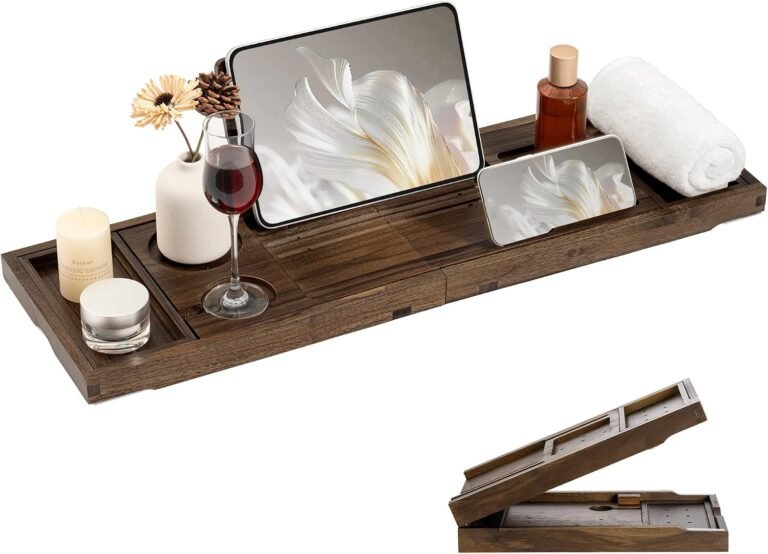
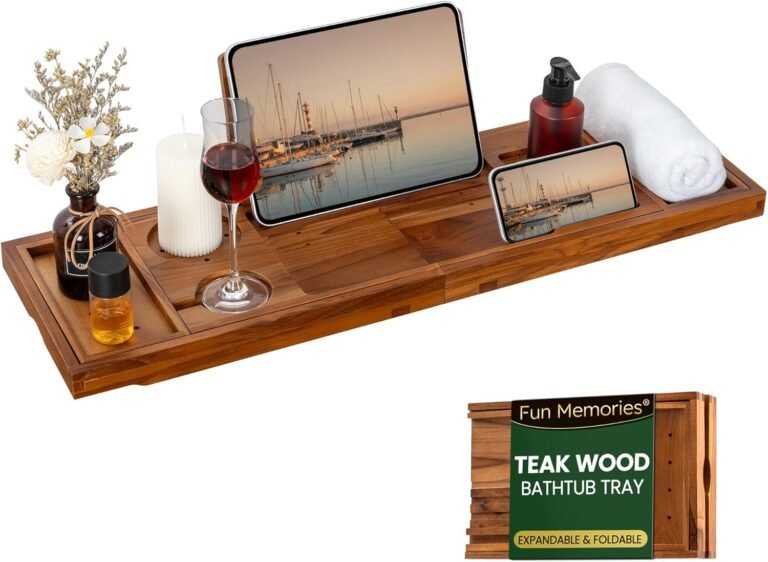
The current site presents adjustable bamboo caddies with book and tablet support, phone storage, drink space, candle areas, non slip construction, and room for bath essentials.
Read the bathtub tray buying and care guides for related topics. The bamboo tray design story explains the site’s focus on practical organization and relaxation.
This bathtub tray buying guide reflects those current themes while avoiding prices, unsupported universal fit claims, and placeholder contact information.
Conclusion
Measure the tub first, check the rim contact, compare the full adjustment range, and choose holders that match the way you already bathe.
Treat water resistant bamboo as a material that still needs wiping and drying. Test the empty tray before loading it and keep devices unplugged around water.
Use this bathtub tray buying guide as a final check before reviewing the live shop status and product details.
Review the Current Shop Status After Measuring
Check the live page only after confirming the tub width, rim contact, holder layout, storage space, and care routine.
Frequently Asked Questions
What should I look for when buying a bath tray?
Check the outside tub width, rim shape, adjustment range, support contact, non slip grips, material, finish, holder dimensions, open space, storage size, cleaning instructions, and current product details.
How do I choose the right bath tray size?
Measure the outside width of the tub at the exact position where the tray will sit. Compare that result with both the minimum and maximum range, then confirm that the ends rest fully on the rims.
Are adjustable bath trays better than fixed trays?
Neither type is always better. Adjustable trays fit more widths, while fixed trays can be simple when their dimensions closely match the tub. Choose the design that sits level on your actual rims.
Which material is best for a bath tray?
There is no universal best material. BathtubTray.com currently focuses on bamboo with a water resistant finish. Compare appearance, construction, care, stability, weight, and the intended bathroom environment.
Are wooden bath trays waterproof?
Most finished wooden trays should be treated as water resistant rather than suitable for soaking. Wipe splashes, dry every surface, and follow the maker’s care instructions.
How can I stop a bath tray from slipping?
Choose a tray with secure grips or protective pads, place it on clean dry rims, confirm full support on both sides, and test it empty. Stop using it if it rocks or moves.
What features are useful on a bath tray?
Useful features may include a book or tablet stand, phone area, drink holder, candle space, removable trays, and open surface. Select the features that match your routine.
Can I use a bath tray with any type of bathtub?
No tray fits every bathtub. Adjustable designs may suit many standard, freestanding, built in, and alcove tubs, but rim width, shape, walls, controls, and screens still matter.
How much weight can a bath tray hold?
Capacity varies by material, span, joints, and construction. Follow the maker’s guidance, keep heavier items near the center, and never use the tray as a seat, step, or support.
How do I clean and maintain a bath tray?
Remove all items, wipe with a soft damp cloth, avoid abrasive cleaners, dry the top and underside, open sliding sections, and store the tray only when every part is dry.