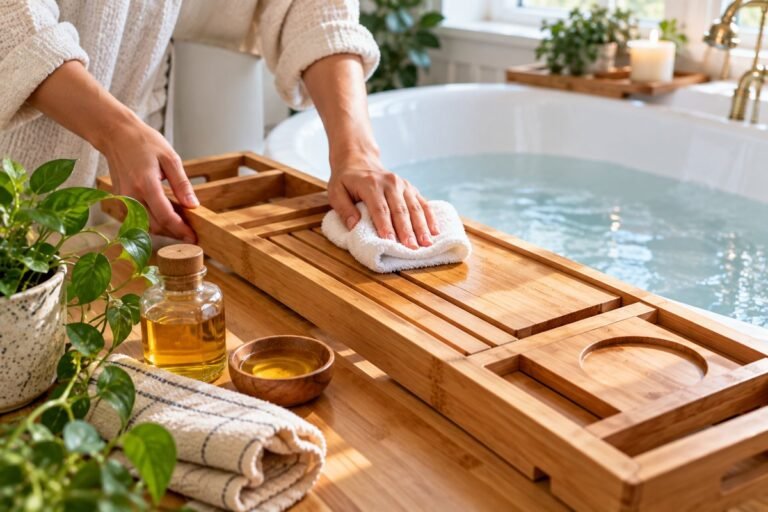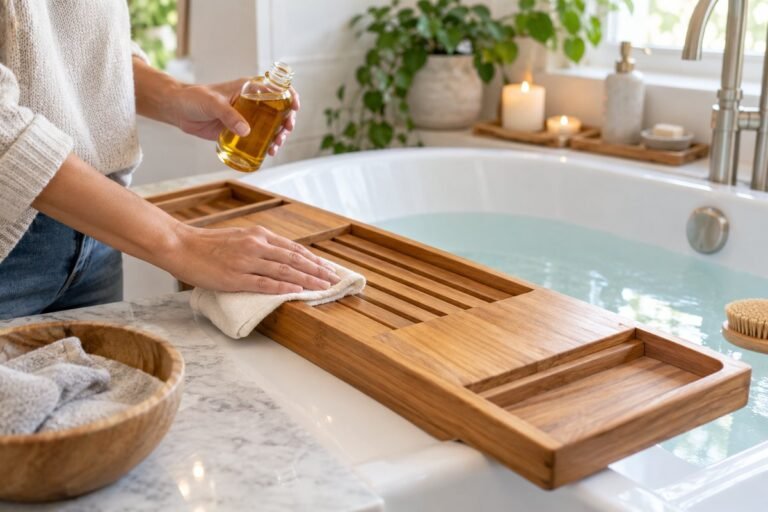
Detox Bath Recipe: What It Is and How to Make One
This guide covers detox bath recipe in plain terms, from what matters most to what you can skip. A detox bath is a warm soak with added ingredients like Epsom salt, sea salt, or baking soda, taken to relax and unwind. The name promises more than the science supports, so it helps to be clear from the start about what a detox bath does and does not do. Enjoyed as a relaxing ritual, it is a pleasant and low cost soak. Treated as a cure, it will disappoint.
Here is the short answer. A detox bath is a warm bath with Epsom salt and sometimes baking soda or essential oils, used to relax sore muscles and unwind. The body detoxifies through the liver and kidneys, not the skin, so the real benefit is relaxation, not removing toxins. Soak for about twenty minutes in warm water, and drink water before and after.
This guide covers what a detox bath really does, a simple recipe, how to take one safely, and who should be cautious.
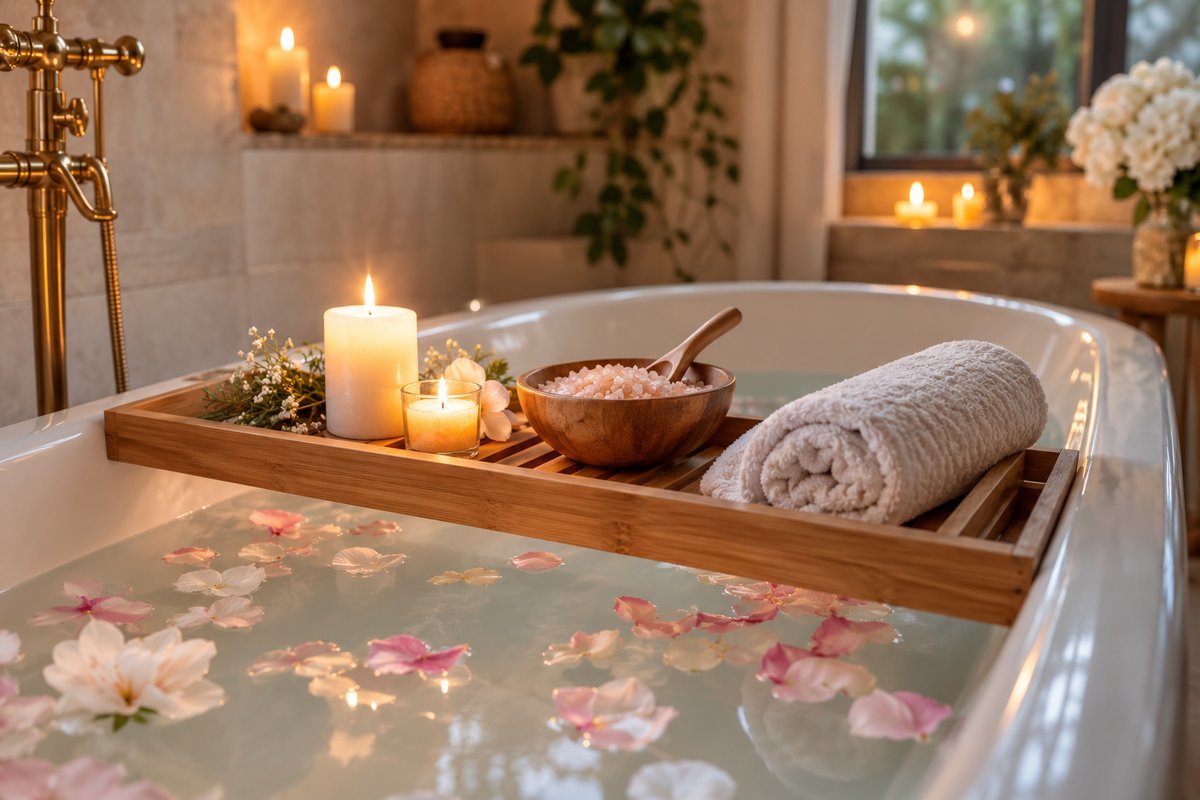
What a detox bath really does
It helps to separate the popular claims from what actually happens in the tub.
The idea behind a detox bath is that soaking in salts draws toxins out through the skin. The body does not work that way. Detoxification is handled by your liver and kidneys, and there is little evidence that bathing removes toxins through the skin. So the toxin claim does not hold up.
What a warm salt bath does offer is real, though, relaxation. Warm water eases tension and helps you unwind, and many people find a soak with Epsom salt soothing for tired muscles after exercise. Enjoyed for that, a detox bath is a fine ritual. Just take the toxin promise with a healthy skepticism.
A simple detox bath recipe
If you want to try one for relaxation, the recipe is simple and cheap.
Fill the tub with warm, comfortable water. Add about one to two cups of Epsom salt, which is the main ingredient. You can add half a cup of baking soda and a few drops of a relaxing essential oil like lavender, diluted first in a carrier oil, for scent. Stir the water to dissolve the salts.
That is the whole recipe. Epsom salt is the core, and the baking soda and oil are optional extras for feel and scent. There is no need for anything elaborate or expensive. Keep a glass of water on your bath tray, since a warm soak can be dehydrating.
How to take one safely
A few simple habits keep the soak comfortable and safe.
Keep the water warm, not hot, and soak for about twenty minutes, no need to go longer. Drink water before and after, since warm baths can leave you dehydrated, and keep a glass within reach on your tray. Get out slowly, as a warm soak can leave you a little lightheaded.
Listen to your body. If you feel dizzy, too hot, or unwell at any point, end the soak and cool down. A detox bath should feel relaxing, so there is nothing to gain from pushing past comfort. Ease is the whole point.
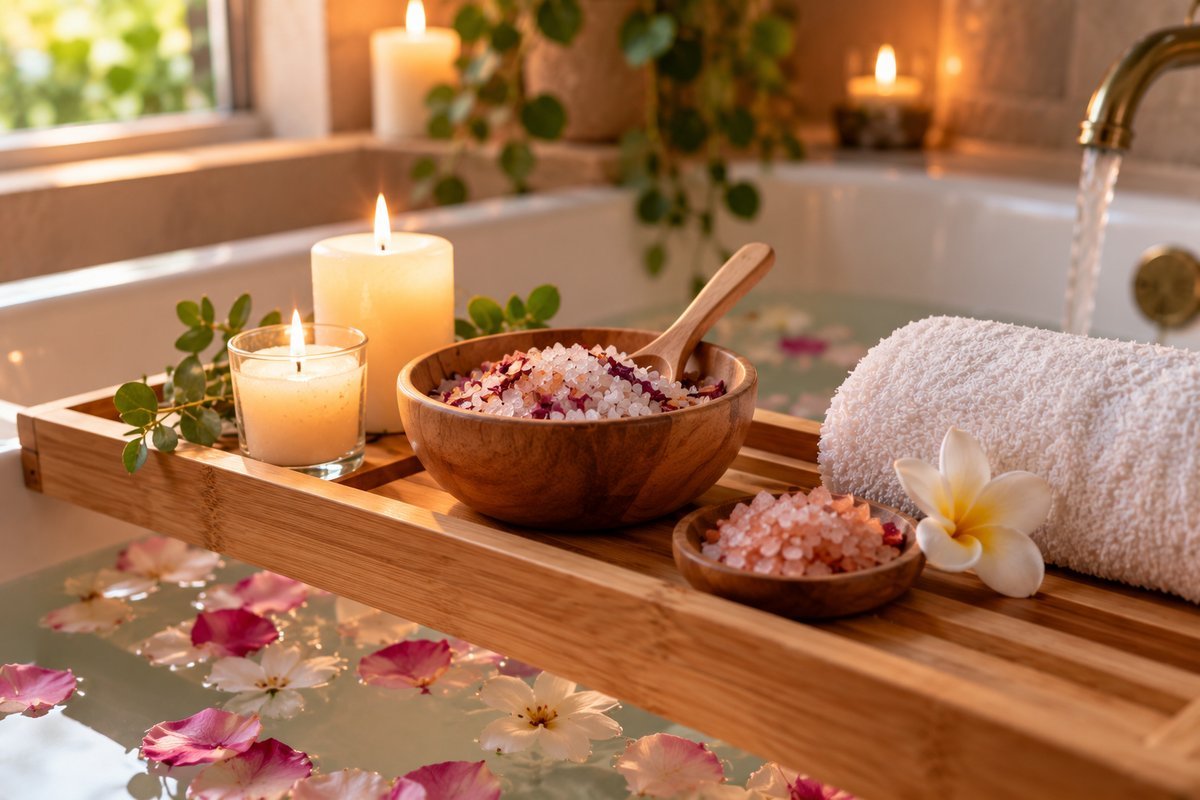
Who should be cautious
A warm salt bath is not right for everyone, so some people should check first.
If you are pregnant, or have heart problems, low blood pressure, diabetes, or any condition affected by heat, talk to your doctor before taking hot or long soaks. Very warm baths raise the body’s temperature and can affect blood pressure, which matters for these conditions.
Skip the essential oils if you have sensitive skin or a known allergy, and always dilute them in a carrier oil first. When in doubt, keep the water warm rather than hot and the soak short, or ask a healthcare professional. This is general information, not medical advice, so a doctor’s guidance comes first for any health concern.
Comparison table
| Ingredient | Role | Amount | Note |
|---|---|---|---|
| Epsom salt | Main, soothing soak | 1 to 2 cups | The core ingredient |
| Baking soda | Softens water | About 1/2 cup | Optional |
| Essential oil | Scent, relaxation | A few drops, diluted | Skip if skin is sensitive |
| Warm water | The soak itself | Comfortable temp | Not hot |
Simple and cheap is the whole idea. The benefit is relaxation, not detox.
Frequently asked questions
What is a detox bath?
A warm bath with added Epsom salt, and sometimes baking soda or essential oils, taken to relax and soothe tired muscles. Despite the name, the real benefit is relaxation, since the body detoxifies through the liver and kidneys, not the skin.
Do detox baths actually remove toxins?
No. The liver and kidneys handle detoxification, and there is little evidence that bathing draws toxins out through the skin. A warm salt bath does help you relax and ease muscle tension, which is its genuine benefit.
How do I make a detox bath?
Fill the tub with warm water and add one to two cups of Epsom salt. Optionally add half a cup of baking soda and a few diluted drops of lavender oil. Stir to dissolve, and soak about twenty minutes.
Are detox baths safe?
For most people a warm, twenty minute soak is fine. Drink water before and after, and get out slowly. If you are pregnant or have heart issues, low blood pressure, or diabetes, check with your doctor first.
Looking for the right detox bath recipe? Our expandable bamboo bath tray is a solid pick for most tubs.
The takeaway
A detox bath is a warm soak with Epsom salt and a few optional extras, and it is a pleasant, low cost way to relax and ease tired muscles. Just be clear on what it does. The body detoxifies through the liver and kidneys, not the skin, so the benefit is relaxation, not removing toxins. Keep the water warm rather than hot, soak about twenty minutes, drink water, and get out slowly. If you have a health condition or are pregnant, check with your doctor first, since this is general information, not medical advice.
For more background, see this guidance from Healthline.
Related reading: Self Care Sunday, Bath Salts vs Bath Bombs vs Bubble Bath, Best Bath Pillows for Neck and Head Support.