Bamboo vs Teak vs Acrylic: Best Bath Tray Material
A practical comparison of moisture response, cleaning, weight, scratch visibility, grip, style, and everyday ownership.
Bamboo vs Teak vs Acrylic: Best Bath Tray Material
This bath tray material comparison looks past simple labels and focuses on daily ownership. Bamboo, teak, and acrylic can all work across a bathtub, yet they respond differently to moisture, scratches, cleaning, weight, and storage. The right answer depends on the tub, the tray construction, and the care routine you will actually follow.
BathtubTray.com currently centers its published range on adjustable bamboo caddies with spaces for books, tablets, phones, drinks, candles, and toiletries. Bamboo is therefore the site specific starting point, while teak and acrylic are discussed as wider material options rather than products claimed to be part of the current collection.
The Fastest Way to Narrow the Choice
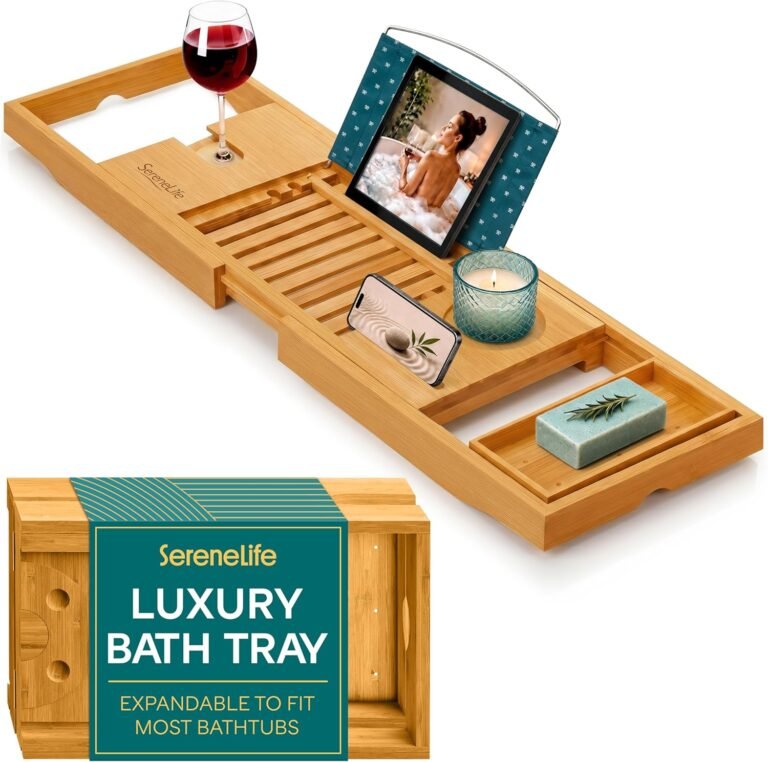
Choose bamboo when you want a warm natural appearance, a lighter feel, and an expandable caddy style. It suits people who do not mind wiping the tray after every bath and leaving it where air can reach both sides.
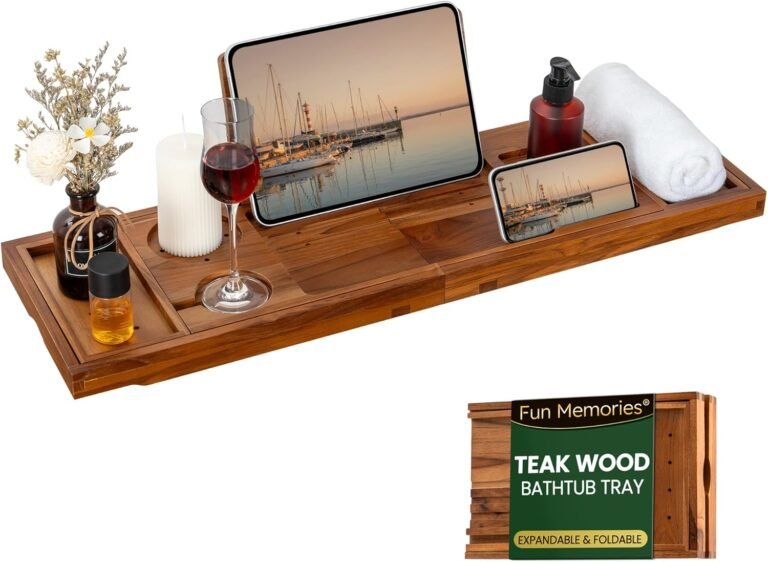
Choose teak when hardwood character and natural decay resistance are the leading priorities. Genuine teak has a strong durability reputation, although joints, glue, finish, and hardware still determine how a completed tray performs.
Choose acrylic when you prefer a clean modern surface and straightforward wiping. Acrylic does not absorb water like unfinished wood, but it can show scratches and react badly to unsuitable cleaners.

At a Glance Scorecard
This scorecard summarizes common tendencies. Product thickness, support design, finish, bonding, and protective grips can change the result.
| Material | Look and feel | Care priority | Best match |
|---|---|---|---|
| Bamboo | Warm and light | Dry after every use | Adjustable natural caddies |
| Teak | Rich hardwood character | Finish specific care | Durable wood focused buyers |
| Acrylic | Clear or modern | Soft cloth and safe cleaner | Simple wiping |
Bamboo: Warm, Light, and Familiar
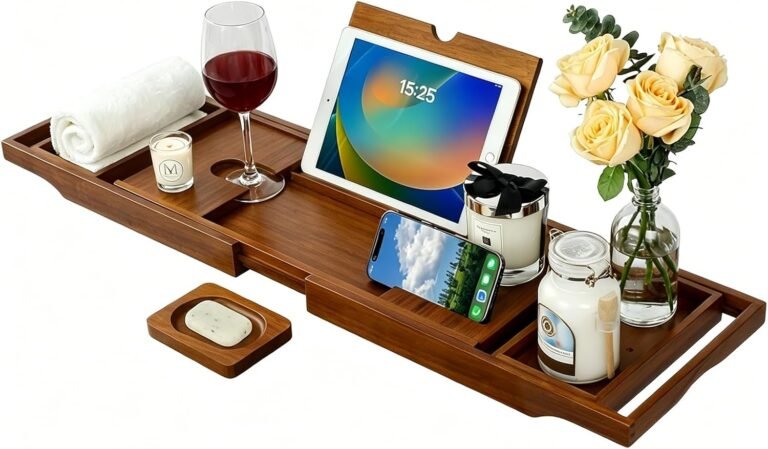
Bamboo bath trays are usually made from laminated strips. The quality of the bonding and sealing matters because moisture can enter seams, sliding sections, and exposed edges.
Bamboo suits ivory tile, black fixtures, stone, and neutral bathrooms. It gives a softer visual effect than clear plastic and often feels lighter than a comparable solid hardwood tray.
In this bath tray material comparison, bamboo stands out for balance. It combines natural character with manageable handling, but it still needs prompt drying and sensible storage.

What Bamboo Needs After Every Bath
Use mild soap, limited water, and a soft cloth unless the maker gives different instructions. Do not soak the tray or leave it sitting across a wet tub.
Open adjustable sections far enough to check for hidden droplets. Water can remain beneath removable cups, around phone slots, and inside the overlap between sliding parts.
Swelling, dark spotting, separated strips, or rough fibers are warning signs. Stop using the tray if damage affects balance or creates a sharp surface.
Teak: Durable Wood With More Weight
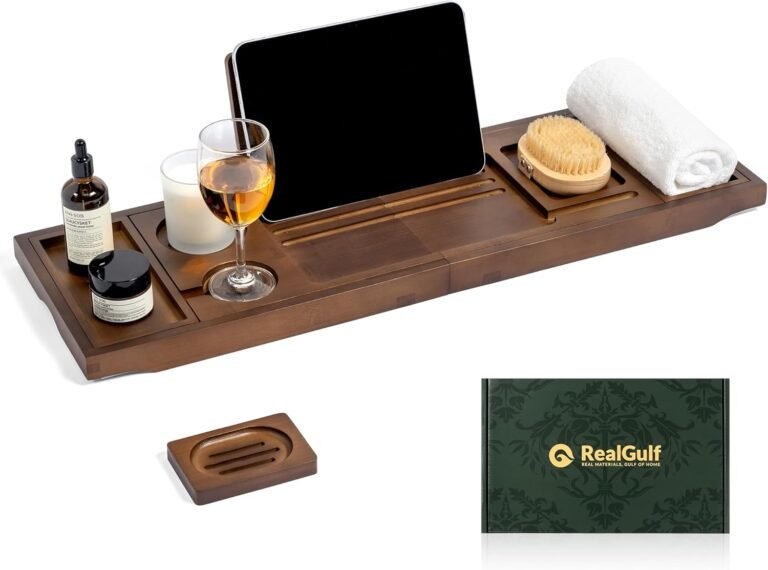
The Wood Database rates genuine teak heartwood as very durable against decay and notes its naturally oily feel. That reputation explains why teak is chosen for moisture exposed settings, but a finished bath tray still depends on its joints, hardware, and construction.
Teak usually feels denser and more substantial than bamboo. Its golden brown color may deepen or weather over time, depending on exposure and care.
A bath tray material comparison favors teak when long term wood character matters more than low weight. It should not be described as waterproof, and drying around joints remains sensible.

Teak Care Without Guesswork
Follow the exact product instructions before applying oil. Some teak products only need cleaning and drying, while others may allow a suitable teak care product.
Do not assume furniture polish belongs on a bath tray. It may contain wax, silicone, fragrance, or solvents that change the finish or make the surface slippery.
Clean gently, rinse residue, and dry with the grain. Contact the seller before sanding, refinishing, or applying any treatment that is not listed.
Acrylic: Smooth, Modern, and Nonporous
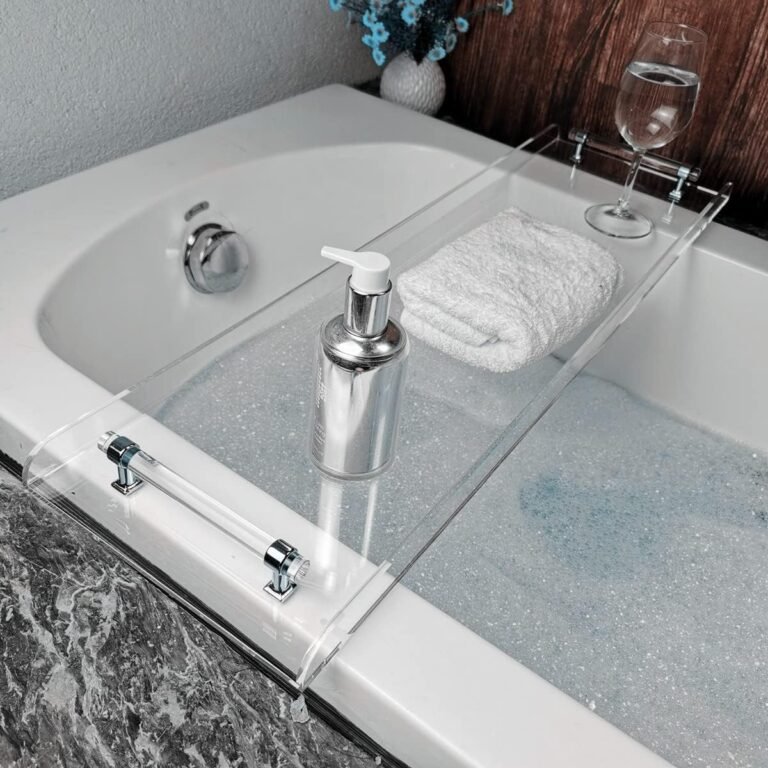
Acrylic is a nonporous plastic surface, so it does not absorb water in the same way as unfinished wood. That makes routine wiping simple and gives clear acrylic a visually light appearance.
Thickness and support design matter. A thin sheet may flex, while a thicker one can feel substantial. Polished edges, stable feet, and stress free joints help the final tray feel refined.
In this bath tray material comparison, acrylic stands out for easy wiping and modern style. Its main tradeoff is greater scratch visibility, especially under direct bathroom lighting.

How to Clean Acrylic Without Haze
ACRYLITE recommends mild soap or detergent with lukewarm water and a clean soft cloth for acrylic sheet. It also warns against abrasive cleaners and several strong solvents.
Rinse loose grit before wiping. Dry particles can leave fine marks, and rough paper products may create visible swirls.
Do not assume glass cleaner is safe. Follow the tray maker’s instructions and use only products suitable for that acrylic surface.
Which Material Handles Moisture Best
Teak has the strongest natural reputation for decay resistance among these three choices. Bamboo depends more on processing, bonding, and finish. Acrylic is nonporous but can still include metal hardware, bonded parts, or pads that need drying.
Water often collects where owners do not look: beneath silicone feet, inside sliding rails, under removable cups, and around screws.
A useful bath tray material comparison asks how easily the whole tray can dry. A simple design with accessible joints may be easier to maintain than a more complex tray made from a stronger raw material.

Which Material Is Easiest to Clean
Acrylic usually has the simplest routine. Mild soap, clean water, a soft cloth, and prompt drying are enough for many products.
Bamboo and teak also respond well to gentle cleaning, but grain, seams, and end surfaces need more attention. Long soaking is a poor habit for either wood based material.
The easiest material is the one you will clean correctly. A highly regarded tray will not stay attractive when its care routine is ignored.
Scratches, Dents, and Visible Wear
Glossy acrylic can show fine scratches in bright light. Wood grain may hide small marks, although a deep scratch can break a protective finish.
Dark bamboo can reveal pale marks where the surface coating is damaged. Teak may develop a softer worn look, but it can still dent or score.
In a bath tray material comparison for frequent readers, inspect the book and tablet holder. Repeated movement at one contact point can create local wear on any material.
Weight and Storage
Bamboo often feels lighter than solid teak. Acrylic weight varies widely with thickness and size.
Think about where the tray will dry. A heavy teak tray may be awkward to lift into a tall cabinet. Clear acrylic benefits from a soft storage surface that will not scratch it.
Weight should improve stability without making daily handling difficult. Compare the complete tray rather than the raw material alone.
Grip and Tub Protection
The main material does not decide whether a tray stays put. Silicone grips, rubber feet, padded ends, support width, and rim shape matter more.
Acrylic can feel slick when wet, and finished wood can also lose grip when soap or bath oil reaches the supports. Clean the contact points before use.
Any bath tray material comparison should separate surface feel from actual support design. Bare acrylic, bamboo, or teak should not scrape a finished tub.

Fit and Adjustable Construction
Expandable bamboo trays are common because laminated construction works well with sliding sections. Acrylic and teak trays can also be fixed or adjustable, depending on the design.
Measure the exact resting span and rim contact before choosing. A premium material cannot correct a tray that barely reaches or rocks on a curved edge.
Check the closed size, maximum span, and support at the width you need. The adjustment should move smoothly without twisting.
Books, Tablets, Drinks, and Toiletries
Books need a dry stable stand with a broad lower lip. Bamboo and teak feel warmer to touch, while acrylic keeps the visual layout open.
Tablet safety depends on the holder, angle, grip, and distance from water rather than the base material. Use dry hands and never connect a charger near the bathtub.
For drinks and toiletries, accessible recesses matter more than decorative complexity. Open space often works better than many narrow compartments.
Bathroom Style and Visual Weight
Bamboo supports a warm spa look and can soften white tile. Teak brings deeper wood character and often feels more architectural.
Clear acrylic has less visual weight and can suit compact rooms. Tinted acrylic adds contrast without introducing wood grain.
Style matters, but this bath tray material comparison gives priority to fit and care. A beautiful tray becomes frustrating when it blocks the faucet or requires a routine you dislike.
Detailed Material Comparison
Use this table as a decision tool, then check the exact product details. General material traits do not replace dimensions, holder sizes, or care instructions.
| Factor | Bamboo | Teak | Acrylic |
|---|---|---|---|
| Moisture response | Depends on bonding and finish | Naturally decay resistant heartwood | Nonporous surface |
| Scratch appearance | Grain can hide light wear | Grain can soften minor marks | Gloss can show fine scratches |
| Weight | Often lighter | Usually more substantial | Varies with thickness |
| Cleaning focus | Dry seams and joints | Respect finish instructions | Avoid abrasives and solvents |
| Visual style | Warm spa look | Deep natural wood tone | Modern and visually light |
| Main caution | Trapped moisture | Assuming all finishes need oil | Using glass cleaner or rough cloth |

Best Match for a Low Maintenance Routine
Acrylic is usually the strongest match for someone who wants quick wiping and no wood treatment. Choose rounded edges, stable feet, and clear cleaning guidance.
Low maintenance does not mean careless use. Acrylic should be protected from grit, abrasive sponges, and unsuitable solvents.
If you prefer a natural surface, bamboo can still be manageable when it is emptied, wiped, and stored with airflow after every bath.
Best Match for Natural Character
Teak offers the deepest hardwood character, while bamboo provides a lighter and more uniform grain. The better choice depends on whether you prefer a substantial wood presence or a calmer laminated pattern.
Ask for the exact material description. A teak color finish is not the same as genuine teak, and a bamboo look surface may be printed.
A careful bath tray material comparison checks composition instead of relying on lifestyle photography.
The Current BathtubTray.com Material Focus
BathtubTray.com currently presents adjustable bamboo caddies with non slip grips and organized spaces for reading, drinks, phones, candles, and bath essentials.
Explore the bathtub tray buying guides for related material and fit topics. The bath tray care questions page covers cleaning, sizing, materials, and features.
The Bathtub Tray design story explains the current focus. Review the bamboo bath tray collection for present product details.
Questions to Ask Before Buying
Ask whether the product is solid teak, bamboo laminate, cast acrylic, or another construction. Request the adjustment range, support foot dimensions, body depth, and holder sizes when they are missing.
Use the contact page for questions about current BathtubTray.com products. A useful question includes your tub span and rim shape without unnecessary personal details.
Confirm the care instructions before ordering. The right material should fit both the bathtub and your normal cleaning habits.
The Final Material Match
Choose bamboo for an adjustable natural look and lighter daily handling. Choose teak for durable hardwood character when more weight is acceptable. Choose acrylic for a modern nonporous surface with simple wiping and greater scratch awareness.
No material wins every category. The strongest decision comes from fit, support design, tub protection, holder layout, and a realistic care routine.
Use this bath tray material comparison as a filter, then inspect the exact construction. Visit the premium bathtub tray home page for the site’s current range.
Conclusion
Bamboo, teak, and acrylic create different ownership experiences. Bamboo balances warmth and manageable weight. Teak brings durable wood character. Acrylic offers a clean modern surface that is simple to wipe but easier to scratch.
The best material is the one that fits securely, protects the rim, supports the items you use, and matches the care you will provide.
A thoughtful bath tray material comparison ends with the complete product, not the raw material alone. Check dimensions, joints, grips, holders, and cleaning instructions.
Details That Change the Result
Material labels are only the first layer of a purchase. Examine the underside because support blocks, sliding rails, glue lines, and protective pads often reveal more about daily performance than the top surface. Run a hand along every edge before use. Bamboo should feel smoothly sealed, teak should have no loose fibers, and acrylic should have polished or safely rounded edges. Stop using a tray if damage creates a sharp point. Think about storage before choosing a heavy or glossy surface. Teak may need a secure low shelf. Clear acrylic benefits from a soft place where other bathroom objects cannot scrape it. Bamboo should dry where
A bath tray material comparison should include the underside, not only the visible top.
A bath tray material comparison becomes more useful when actual holder sizes are checked.
A bath tray material comparison should account for the weight of the complete product.
A bath tray material comparison needs to consider where the tray will dry.
A bath tray material comparison should separate natural durability from finished product quality.
A bath tray material comparison is incomplete without the support feet and tub rim shape.
A bath tray material comparison should include scratch visibility under bathroom lighting.
A bath tray material comparison works best when the owner’s cleaning habits are realistic.
A bath tray material comparison should confirm the exact material rather than a color name.
A bath tray material comparison must include fit before decorative style.
A bath tray material comparison should review joints, glue lines, and hardware.
A bath tray material comparison ends with the complete tray and its care instructions.
This bath tray material comparison also checks the way each tray is stored.
Match the Material to Your Routine
Review the current designs after deciding which care routine, surface feel, and visual style fit your bathroom.
See Current Bath TraysFrequently Asked Questions
What is the best material for a bath tray?
There is no universal winner. Teak offers strong natural decay resistance, bamboo combines warmth with lighter handling, and acrylic provides a nonporous surface that is easy to wipe. Fit, construction, grip, and care should decide the final choice.
Is bamboo a good material for a bath tray?
Yes, when it is well bonded, smoothly finished, and protected for bathroom use. Wipe it after bathing, dry adjustable joints, and store it with airflow.
Is teak better than bamboo for a bath tray?
Teak heartwood is generally more durable against decay, while bamboo is often lighter and commonly used in expandable designs. The better choice depends on construction, style, weight, and care.
Are acrylic bath trays waterproof?
Acrylic itself is nonporous, but the complete tray may include joints, bonded parts, metal hardware, or grips that need drying. Follow the product care instructions.
Which bath tray material lasts the longest?
A well made teak tray may have the strongest natural durability potential, but service life also depends on joints, finish, hardware, storage, and care.
Which bath tray material is easiest to clean?
Acrylic usually has the simplest routine. Use mild soap, lukewarm water, and a soft clean cloth. Avoid abrasive cleaners and unsuitable solvents.
Can bamboo bath trays develop mold?
Mold can develop when moisture and residue remain on or around bamboo. Dry the surface, adjustable sections, pads, and accessories after use.
Do teak bath trays need regular maintenance?
Maintenance depends on the finish and manufacturer instructions. Some products only need gentle cleaning and drying, while others may permit a suitable teak care product.
Are acrylic bath trays slippery?
The wet surface can feel slick, but actual stability depends mainly on support design. Choose secure silicone or rubber grips and keep soap away from the contact pads.
Which bath tray material offers the best value?
Value depends on use and care. Bamboo can offer a balanced natural option, teak may suit long term wood buyers, and acrylic may suit people who prioritize simple cleaning.